Lumpy skin disease (LSD) is a viral disease of cattle and buffaloes. It causes fever, firm lumps in the skin and a clear drop in milk. It spreads mainly through biting insects, and most animals recover. Since July 2026, scattered cases have been reported in Uttar Pradesh, Rajasthan, Himachal Pradesh, Haryana, Punjab, Uttarakhand and a few other states. If an animal has a fever and lumps in the skin, call your vet the same day.
- LSD affects cattle and water buffalo only. WOAH says it is not a risk to people, including through milk or meat.
- Look for fever, poor appetite, swollen lymph nodes and firm lumps 0.5 to 5 cm across on the head, neck, udder and around the vulva or scrotum.
- Biting flies, mosquitoes and ticks carry the virus. Touching a sick animal plays only a small part.
- On 8 September 2026 the Department of Animal Husbandry and Dairying (DAHD) counted 3,461 active cases, mostly in young animals and animals that were not vaccinated.
- DAHD has asked states to vaccinate, isolate sick animals, control insects and quarantine new animals.
What is lumpy skin disease, and is the milk safe?
A capripox virus causes LSD. WOAH, the world animal health body, says it infects only cattle and water buffalo. It is not a zoonotic disease, so people are not at risk from touching a sick animal or from consuming milk or meat. The danger is to your income: lower milk, weight loss, lower fertility and damaged hides.
Ask your vet or your milk union what to do with milk from a sick animal, because local rules and dairy requirements differ.
Signs to look for
WOAH describes the signs roughly in the order they appear:
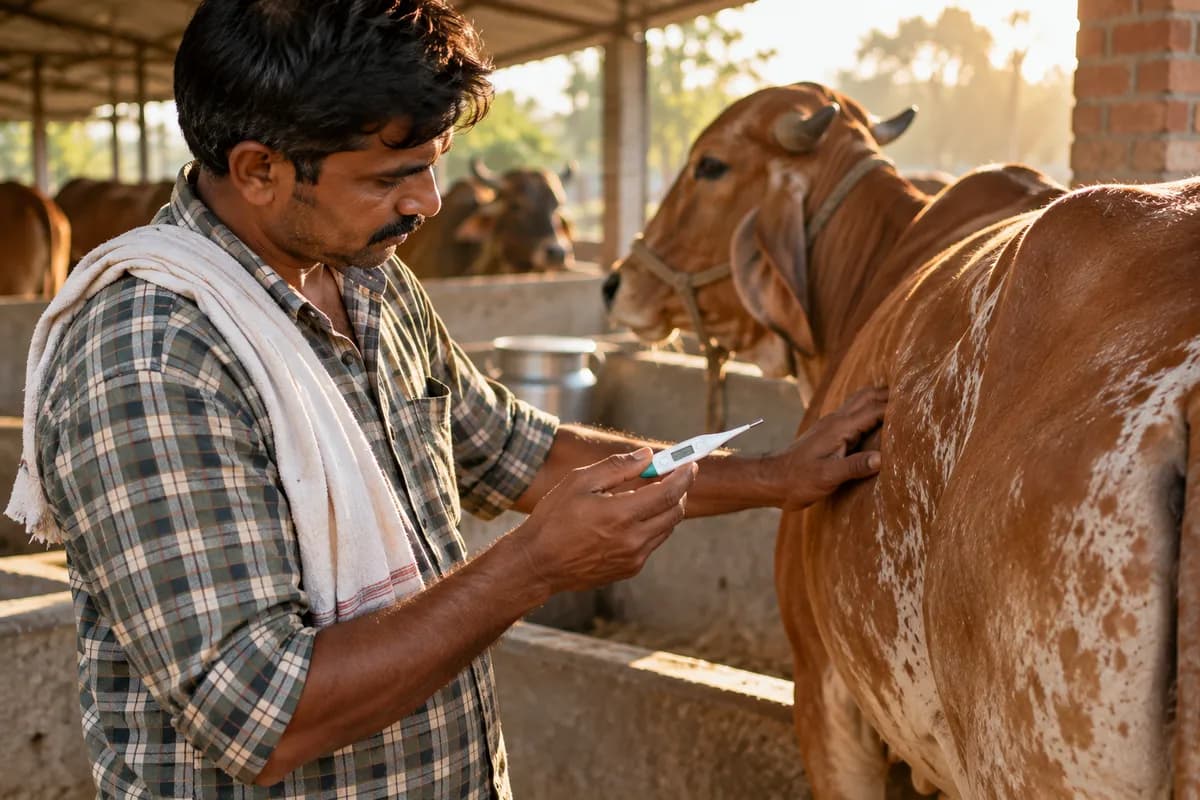
- Fever. It can go above 41°C, and the animal eats less.
- Lumps in the skin. Firm, flat-topped nodules appear within about 48 hours of the fever, most often on the head, neck, udder, scrotum, vulva and the area around them. They measure 0.5 to 5 cm.
- Swollen lymph nodes, and swelling of the udder, chest and legs.
- A fall in milk. WOAH calls it a marked reduction in lactating cattle. Weight loss follows.
- Later signs. Some lumps become hard, dead plugs of skin that drop out and leave ulcers. These heal slowly and leave scars. Fertility can fall too, for a time or, in bulls, for good.
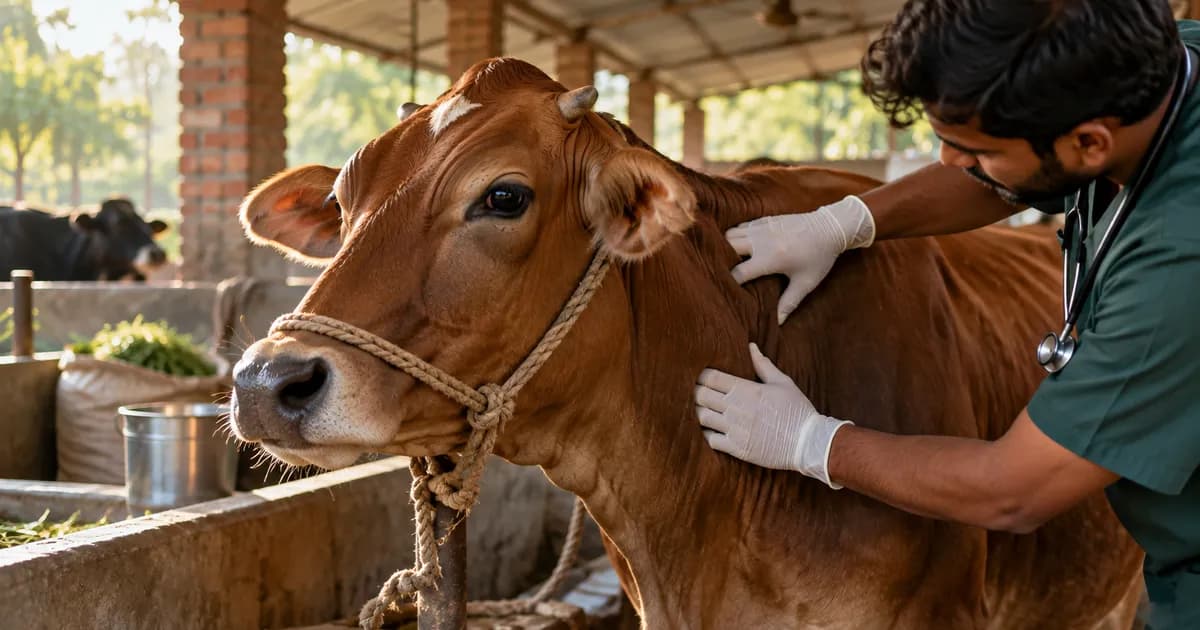
Many illnesses cause fever or skin lumps. Only a vet, with lab support when needed, can confirm LSD. Do not treat the animal on your own.
How it spreads
WOAH says LSD is carried mainly by blood-feeding insects: biting flies, mosquitoes and ticks. Direct contact with a sick animal plays only a minor part. That is why cases rise when the weather is warm and insects are active.
Over long distances, it travels with infected animals that are moved or traded. Wind can also carry infected insects. The virus can stay in skin lumps for up to 35 days, and it can be present in nose and eye discharge, milk and semen.
A study in Ethiopia, reported by WOAH, found that Holstein Friesian and crossbred cattle fell sick more often than local zebu cattle. If you keep crossbreds, watch them closely.
How serious is it in India right now?
LSD was first reported in India in West Bengal and Odisha in September 2019. DAHD's 8 September 2026 update says the situation is under control, with a large fall in how sick animals get and in deaths. Affected animals are generally recovering within a week, and the cases are mostly among young animals and calves.
WOAH gives the wider picture: the share of animals that fall sick varies between 10% and 20%, and deaths are usually low, at 1% to 5%. DAHD reports that more than 36.18 crore cattle have been vaccinated or re-vaccinated so far.
What to do this week
DAHD has asked states to follow a set of steps. Here is what they mean on a farm:
- Call your vet at the first sign. Fever with lumps is reason enough. States have been asked to report cases through official channels, and your vet or the local animal husbandry office does that.
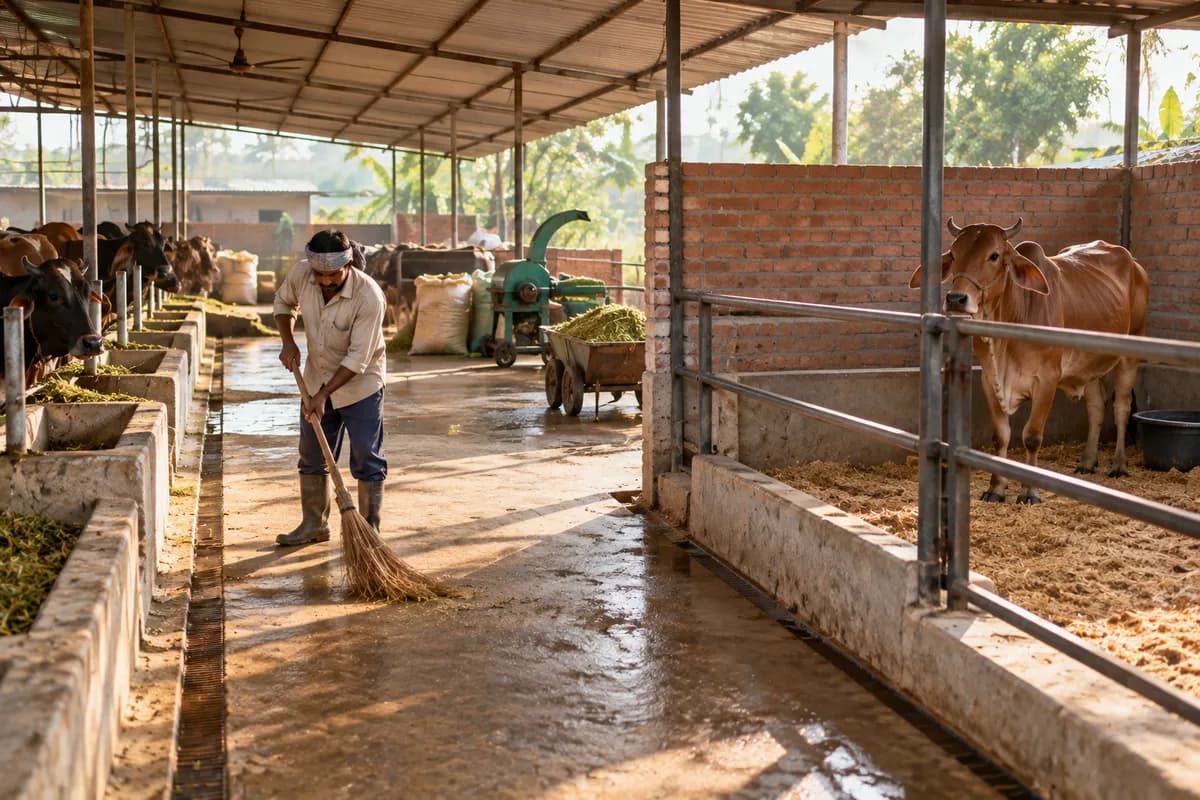
- Isolate sick animals and control movement. Keep sick animals away from the herd. Do not take them to markets or other farms, and keep your cattle away from strays.
- Cut down insects. DAHD lists vector control and disinfection. Keep the shed clean and dry, remove standing water and dung heaps, and ask your vet which insect control is safe for milking animals.
- Check vaccination. DAHD stresses timely vaccination, especially of heifers and young cattle, and ring vaccination around an outbreak. Ask your vet whether each animal's LSD vaccine is up to date and which vaccine is used in your district.
- Quarantine new animals. Keep any newly bought animal apart before it joins the herd. Ask your vet for how long.
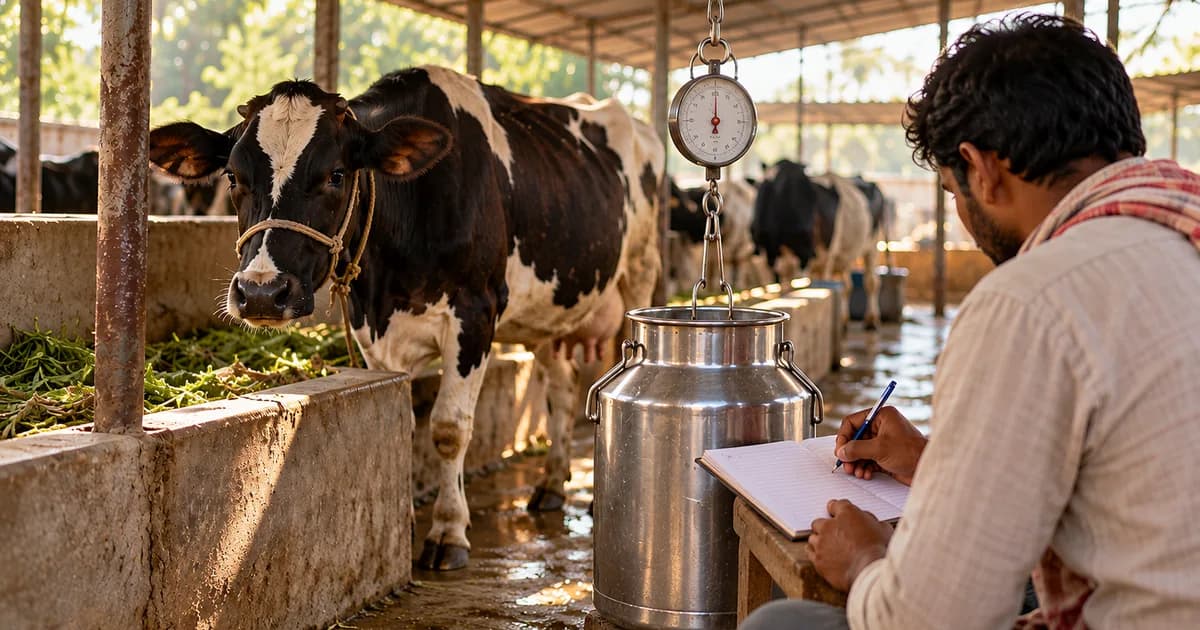
- Write it down. Note each animal's temperature, lumps, daily milk and vaccine date. A record helps the vet and shows you which animals are slipping.
Keeping a health record per animal makes this easier. In Pashupaalak you can log vaccines for each cow or buffalo and see what is overdue and what is due this week. The vaccination schedule shows the common cattle vaccines in one place. To see what a fall in milk does to your month, put the numbers in the dairy farm profit calculator. You can start free on the web app.